
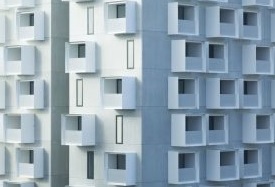
[:it]Le decisioni sui balconi aggettanti spettano al proprietario.[:en]Decisions on projecting balconies are up to the owner.[:]
pubblicato: giovedì, 4 Agosto, 2022
[:it]
Le decisioni sui balconi aggettanti spettano al proprietario.
È nulla la delibera che approvi le spese straordinarie per la manutenzione dei balconi presenti nell’edificio ripartendo la spesa fra tutti i partecipanti.
Avv. Gianfranco Di Rago 06/07/2022
È nulla la deliberazione assembleare che obblighi il condomino a effettuare i lavori di manutenzione del balcone aggettante e che non contenga elementi architettonici che si inseriscano nel prospetto dell’edificio e contribuiscano a renderlo esteticamente gradevole.
Lo ha ribadito la Corte di Appello di Roma con la recente sentenza n. 4447 dello scorso 27 giugno 2022, nella quale i giudici capitolini hanno utilmente ricapitolato le posizioni interpretative alle quali è pervenuta la giurisprudenza.
Il caso concreto.
Nella specie un condomino aveva agito in giudizio per ottenere la pronuncia di nullità e/o annullabilità di una delibera assembleare per violazione dei criteri di riparto della spesa inerente il rifacimento dei balconi, frontalini e parapetti esterni dell’edificio condominiale. Il Tribunale di Roma aveva però respinto la domanda. Di qui la decisione del condomino di ricorrere in appello.
Le diverse tipologie di balconi.
I balconi possono essere beni comuni o di proprietà esclusiva. Occorre quindi volta per volta accertare se il bene abbia una destinazione oggettiva e funzionale al servizio della collettività o soltanto delle singole unità immobiliari.
La giurisprudenza generalmente ritiene che i balconi con poggiolo, c.d. aggettanti, caratterizzati dal fatto di sporgere rispetto alla facciata dello stabile, costituendo così il prolungamento della corrispondente unità immobiliare, protendendosi nel vuoto senza essere compresi nella struttura portante verticale dell’edificio e con una loro autonomia statica, costituiscano un bene individuale dei proprietari dei relativi appartamenti, in quanto destinati al servizio della sola unità immobiliare cui accedono e non necessari per l’esistenza e per l’uso dell’edificio.
In questo caso il proprietario dell’appartamento sito al piano inferiore non può agganciare alla soletta del balcone sovrastante tende o altri oggetti se non con il consenso del relativo proprietario.
Per consolidata interpretazione giurisprudenziale, l’assemblea condominiale non può, quindi, validamente assumere decisioni che riguardino i singoli condomini nell’ambito dei beni di loro proprietà esclusiva, salvo che non si riflettano sull’adeguato uso delle cose comuni: perciò, nel caso di lavori di manutenzione di balconi di proprietà esclusiva degli appartamenti che vi accedono, viene ritenuta nulla la deliberazione che disponga, appunto, in ordine al rifacimento della relativa pavimentazione (Cass. 15/03/2017, n. 6652; Cass. Sez. 2, 30/07/2004, n. 14576).
Sono invece balconi a castello o incassati quelli che non sporgono rispetto ai muri perimetrali dell’edificio, ma rimangono inseriti all’interno dello stesso e costituiscono una rientranza nella facciata. Questa tipologia di balconi, per le ragioni di cui sopra, costituisce invece un bene comune, in quanto inseparabile dalla facciata. Ne deriva che le relative spese vanno ripartite fra tutti i condomini.
La soletta, tuttavia, che funge da pavimento per il piano superiore e da soffitto per quello inferiore, si ritiene di proprietà comune dei due condomini interessati e ricade pertanto nel regime delle spese di cui all’art. 1125 c.c. Il condomino sottostante può fare tutti gli usi che ritiene più opportuni della parte di sua competenza, ai sensi e nel rispetto dell’art. 1102 c.c.
I rivestimenti e gli elementi decorativi dei balconi.
Anche ove si tratti di balconi aggettanti, gli eventuali rivestimenti ed elementi decorativi della parte frontale e di quella inferiore, c.d. frontalini, allorché si inseriscono nel prospetto dell’edificio e contribuiscono a renderlo esteticamente gradevole, si devono considerare beni comuni a tutti.
Essi svolgono in tal caso una funzione decorativa estesa all’intero edificio, del quale accrescono il pregio architettonico e costituiscono quindi parti comuni, con la conseguenza che la spesa per la relativa riparazione ricade su tutti i condomini, anche su quelli del piano terra o, comunque, privi di balcone.
Pertanto, solo laddove i balconi rechino rivestimenti esterni o elementi decorativi e ornamentali tali da conferire al fabbricato un profilo estetico più gradevole, tali parti dei balconi debbono considerarsi comuni (Cass. 218/11, Cass. 587/11 e Cass. 21641/17).
Tuttavia, l’individuazione di tali elementi, la loro funzione architettonica e il conseguente regime di appartenenza, dovendo fondarsi sulla loro idoneità ad assolvere alla funzione di rendere esteticamente gradevole l’edificio, non possono essere oggetto di un riscontro in astratto, ma devono essere frutto di una verifica in concreto, in base al criterio della loro funzione precipua e prevalente.
La decisione della Corte di Appello di Roma.
Nel caso sottoposto al proprio esame, i giudici di appello non hanno riscontrato elementi di decoro sui balconi in aggetto compresi nell’edificio condominiale, poiché non erano presenti fregi o elementi decorativi di pregio, tali da far ritenere i balconi parti integranti della facciata, in quanto idonei a determinare una particolare fisionomia architettonica dello stabile.
Si trattava, infatti, di balconi muniti di semplici parapetti, del tutto anonimi e privi di elementi decorativi, e di ringhiere, le quali, tuttavia, non miglioravano il decoro complessivo dell’edificio.
Ecco perché la Corte, in accoglimento dell’appello e in riforma della sentenza impugnata, ha dichiarato la nullità dell’impugnata deliberazione, nella parte in cui l’assemblea aveva approvato le spese straordinarie per la manutenzione dei balconi in aggetto presenti nell’edificio ripartendo la spesa fra tutti i partecipanti.
Secondo i giudici, infatti, deve considerarsi nulla la delibera con la quale l’assemblea decida una spesa non inerente la conservazione di beni comuni ma di proprietà esclusiva, agendo così del tutto al di fuori dei suoi poteri (art. 1135 c.c.).
Fonte: https://www.condominioweb.com/le-decisioni-sui-balconi-aggettanti-spettano-al-proprietario.19516#2
GECOSEI di Giuseppina Napolitano

[:en]
Decisions on projecting balconies are up to the owner.
The resolution approving the extraordinary expenses for the maintenance of the balconies in the building, dividing the cost among all the participants is void.
Attorney Gianfranco Di Rago 06/07/2022
End of form
The assembly resolution that obliges the condominium to carry out maintenance work on the projecting balcony and that does not contain architectural elements that fit into the facade of the building and contribute to making it aesthetically pleasing is void.
This was reiterated by the Court of Appeal of Rome with the recent sentence no. 4447 of June 27, 2022, in which the Capitoline judges usefully summarized the interpretative positions reached by the jurisprudence.
The concrete case.
In this case, a condominium had taken legal action to obtain the ruling of nullity and / or annulment of an assembly resolution for violation of the criteria for allocating the expense inherent in the renovation of the balconies , front panels and external parapets of the condominium building. However, the Court of Rome had rejected the request. Hence the decision of the condominium to appeal.
The different types of balconies.
Balconies can be common or exclusive property. It is therefore necessary to ascertain from time to time whether the property has an objective and functional destination at the service of the community or only of the individual real estate units.
The jurisprudence generally considers that the balconies with a balcony, so called projecting, characterized by the fact that they protrude from the facade of the building, thus constituting the extension of the corresponding real estate unit, extending into the void without being included in the vertical load-bearing structure of the building and with one of them. static autonomy, constitute an individual asset of the owners of the related apartments, as they are intended for the service of the real estate unit they access and are not necessary for the existence and use of the building.
In this case the owner of the apartment located on the lower floor cannot hook curtains or other objects to the slab of the balcony above it without the consent of the relative owner.
By consolidated jurisprudential interpretation, the condominium assembly cannot, therefore, validly take decisions concerning individual condominiums in the context of the assets of their exclusive property, unless they are reflected on the adequate use of common things: therefore, in the case of maintenance work on balconies that are the exclusive property of the apartments that access them, the resolution that establishes, in fact, in order to remake the related flooring (Cass. 15/03/2017, n. 6652; Cass. Section 2, is deemed void) 07/30/2004, n. 14576).
On the other hand, bunk or recessed balconies are those that do not protrude from the perimeter walls of the building, but remain inserted inside it and form a recess in the facade. This type of balcony, for the reasons mentioned above, is instead a common good, as it is inseparable from the facade. It follows that the related expenses must be divided among all the condominiums.
The slab, however, which acts as a floor for the upper floor and as a ceiling for the lower one, is considered to be the common property of the two condominiums concerned and therefore falls within the expense regime referred to in art. 1125 cc The condominium below can make all the uses that it deems most appropriate of the part of its competence, pursuant to and in compliance with art. 1102 cc
The coverings and decorative elements of the balconies.
Even in the case of protruding balconies, any coverings and decorative elements of the front and lower part, the so-called front panels, when they are inserted in the façade of the building and contribute to making it aesthetically pleasing, must be considered common goods to all.
In this case, they perform a decorative function extended to the entire building, of which they increase the architectural value and therefore constitute common parts, with the consequence that the cost for the relative repair falls on all condominiums, even on those on the ground floor or, however, without a balcony.
Therefore, only where the balconies have external coatings or decorative and ornamental elements such as to give the building a more pleasant aesthetic profile, these parts of the balconies must be considered common (Cass. 218/11, Cass. 587/11 and Cass. 21641/17).
However, the identification of these elements, their architectural function and the consequent regime of belonging, having to be based on their suitability to fulfill the function of making the building aesthetically pleasing, cannot be the object of an abstract comparison, but must be the result of a concrete verification, based on the criterion of their main and prevailing function.
The decision of the Court of Appeal of Rome.
In the case submitted to their own examination, the appellate judges did not find decorative elements on the overhanging balconies included in the condominium building, since there were no friezes or valuable decorative elements, such as to make the balconies considered integral parts of the facade, in as suitable to determine a particular architectural physiognomy of the building.
They were, in fact, balconies equipped with simple parapets, completely anonymous and without decorative elements, and railings, which, however, did not improve the overall decoration of the building.
This is why the Court, in acceptance of the appeal and in reform of the contested sentence, declared the nullity of the contested resolution, in the part in which the assembly had approved the extraordinary expenses for the maintenance of the overhanging balconies present in the building, sharing spending among all participants.
According to the judges, in fact, the resolution by which the assembly decides an expense not inherent to the conservation of common goods but of exclusive property must be considered void, thus acting completely outside its powers (Article 1135 of the civil code).
Source: https://www.condominioweb.com/le-decisioni-sui-balconi-aggettanti-spettano-al-proprietario.19516#2
GECOSEI by Giuseppina Napolitano
[:]