
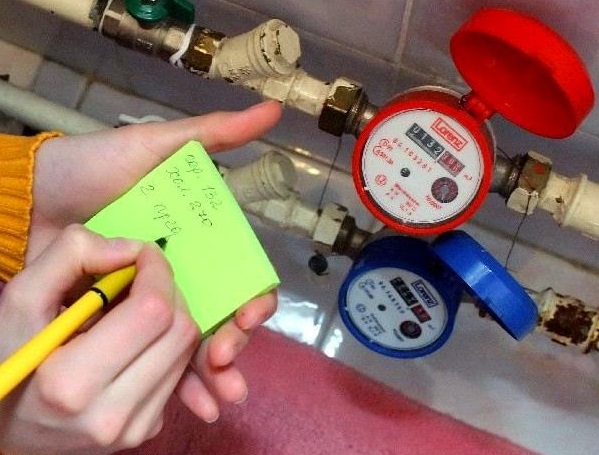
[:it]Lettura contatori acqua in condominio chi la deve fare?[:en]Reading water meters in condominium who must do it?[:]
pubblicato: venerdì, 8 Maggio, 2020
[:it]
Lettura contatori acqua in condominio chi la deve fare?
Lettura contatori acqua in condominio, tra compiti dell’amministratore, doveri dei condòmini e prerogative dell’assemblea.
Avv. Alessandro Gallucci 01/05/2020
La lettura dei contatori per il consumo idrico individuale in condominio è affare che spesso solleva dubbi e controversie.
Chi deve leggere i contatori?
Che cosa fare se non è consentito leggerli?
Quali i poteri dell’amministratore, quali quelli dell’assemblea?
Il quesito di un nostro lettore ci sarà d’aiuto ad introdurre l’argomento: “Buongiorno amici di Condominioweb, ho bisogno di quale suggerimento.
Nel condominio in cui vivo, quindici abitazioni, fino ad un paio di anni fa ognuno di noi comunicava trimestralmente le letture del proprio contatore dell’acqua all’amministratore.
Per una serie di ragioni questa consuetudine si è persa e stiamo riscontrando serie difficoltà nella ricostruzione dei consumi.
L’amministratore invia un suo letturista, ma non sempre si riesce ad ottenere la lettura di tutti i contatori. Come possiamo organizzarci?”
Lettura contatori acqua in condominio, il ruolo dell’amministratore.
L’art. 1130 c.c. ai n. 2 e 3 specifica che l’amministratore è tenuto a disciplinare la fruizione dei servizi nell’interesse comune e riscuotere i contributi per l’esercizio dei servizi medesimi.
Per come impostato nella pressoché totalità dei condomini italiani, quello idrico è un servizio comune che vede il condominio titolare del rapporto contrattuale con l’ente erogatore del servizio in esame.
Sta all’amministratore, dunque, pagare gli importi fatturati della società che gestisce il servizio idrico e dunque predisporre la ripartizione del costo trai condòmini.
In presenza dei contatori di sottrazione, per parte della giurisprudenza anche se un regolamento contrattuale afferma il contrario, la suddivisione del costo va operata, per la quota consumi, in relazione ai consumi medesimi.
Se Tizio consuma 100 metri cubi d’acqua all’anno, allora dovrà pagare per quel consumo secondo la tariffazione propria dovuta in relazione ad esso.
È evidente, allora, che per far ciò non si potrà non provvedere alla lettura dei così detti sotto contatori. In quanto titolare delle attribuzioni citate, quindi, è nel pieno potere dell’amministratore incaricare un addetto che provveda alla lettura.
Si tratta di una spesa ordinaria che se non trasformata in contratto pluriennale può certamente essere disposta dall’amministratore (art. 1130 nn. 2 e 3 c.c.).
Lettura contatori acqua in condominio, il ruolo dei condòmini.
Se i contatori di sottrazione sono ubicati all’interno delle unità immobiliari dei condòmini, un importante ruolo di collaborazione spetta ad essi che devono consentire l’accesso per la loro lettura.
Nel caso del nostro condòmino, per lungo tempo, la lettura del contatore veniva comunicata dai condòmini. Certo, il contraddittorio è sempre la miglior soluzione che consente l’accertamento del dato, ma reggendosi i rapporti che sull’affidamento nell’altrui correttezza, certo non si può tacciare questa prassi d’illegittimità.
Se i contatori, come alle volte accade, sono posti fuori dall’abitazione, il problema non si pone. Il letturista, ove presente, potrà leggere il consumo, eventualmente facendo controfirmare la lettura dal condòmino per conferma.
Se per la lettura del contatore è necessario la collaborazione del condòmino, allora questi dovrà consentire l’accesso. E se non lo consente (volontariamente o per dimenticanza)? L’ideale sarebbe la presenza di un regolamento condominiale contrattuale che disciplini le conseguenze dell’inadempimento.
Ad avviso di chi scrive, si può pensare anche ad una norma del regolamento assembleare che, ai sensi dell’art. 70 disp. att. c.c., sanzioni quel comportamento omissivo, cioè quel rifiuto o meglio qualunque forma d’impedimento alla lettura del contatore con una sanzione pecuniaria.
Lettura contatori acqua in condominio, in ruolo dell’assemblea.
Certamente l’assemblea può individuare il letturista da incaricare, ovvero deliberare la frequenza della lettura del contatore.
L’assise condominiale può vietare la lettura dei contatori per il tramite di un letturista?
Ad avviso di chi scrive non può impedire che si presti un servizio reso nell’interesse comune volto al corretto funzionamento del condominio. Certo, nulla vieta che possa deliberare che il servizio debba essere svolto dall’amministratore, o meglio che sia l’ufficio dell’amministratore a doversene incaricare.
Questo però, nella sostanza, non cambierà molto guardando ai costi, dato che nulla può impedire all’amministratore, in sede di comunicazione del proprio compenso di prevedere una spesa ad hoc.
In nessun caso l’assemblea può imporre ad un condòmino di leggere tutti i contatori dell’acqua, così come non può imporre la lettura turnaria, a mo’ di pulizia delle scale a turno.
Lettura contatori acqua in condominio, le società di lettura, contabilizzazione e riscossione.
L’amministratore può certamente ed a proprie spese appaltare il servizio di lettura, contabilizzazione e riscossione dei corrispettivi per la fattura del servizio idrico all’esterno del proprio studio.
La società agirà quale sostituto del mandatario, quindi operando come un’articolazione del suo studio e sarà l’amministratore a rispondere degli inadempimenti e degli errori di questo.
Diverso il discorso inerente all’affidamento da parte dell’assemblea. Si tratta di una decisione pienamente legittima, praticata in molte zone d’Italia, rispetto alla quale, nella sostanza, si scorpora un servizio, quello di ripartizione del costo del servizio idrico, dandolo in affidamento ad un soggetto terzo rispetto all’amministratore.
Resta ferma, ad avviso di chi scrive, la necessità d’inserire questa contabilità nell’ambito del rendiconto di gestione, trattandosi comunque di un servizio comune.
Fonte: https://www.condominioweb.com/lettura-contatori-acqua-in-condominio-chi-la-deve-fare.16922
GECOSEI di Giuseppina Napolitano

[:en]
Reading water meters in condominium who should do it?
Reading of water meters in the condominium, including duties of the administrator, duties of the condominiums and prerogatives of the assembly.
Avv. Alessandro Gallucci 01/05/2020
Reading the meters for individual water use in a condominium is an affair that often raises doubts and controversies.
Who should read the counters?
What to do if reading them is not allowed?
What powers of the administrator, what those of the assembly?
The question of one of our readers will help us to introduce the topic: “Good morning friends of Condominioweb, I need what suggestion.
In the condominium in which I live, fifteen houses, up to a couple of years ago each of us communicated quarterly the readings of his own water meter to the administrator.
For a number of reasons, this custom has been lost and we are experiencing serious difficulties in rebuilding consumption.
The administrator sends one of his readers, but it is not always possible to obtain the reading of all the meters. How can we organize ourselves? “
Reading water meters in condominium, the role of the administrator.
Article. 1130 c.c. to n. 2 and 3 specifies that the administrator is required to regulate the use of the services in the common interest and collect the contributions for the exercise of the services themselves.
As set in almost all Italian condominiums, water is a common service that sees the condominium holder of the contractual relationship with the provider of the service in question.
It is up to the administrator, therefore, to pay the invoiced amounts of the company that manages the water service and therefore to arrange the distribution of the cost between condominiums.
In the presence of subtraction counters, for part of the jurisprudence even if a contractual regulation states otherwise, the division of the cost must be made, for the consumption share, in relation to the same consumption.
If Tizio consumes 100 cubic meters of water per year, then he will have to pay for that consumption according to his own tariff due in relation to it.
It is clear, then, that in order to do this one cannot fail to read the so-called sub-counters. As the holder of the aforementioned duties, therefore, it is in the full power of the administrator to appoint an employee to read.
This is an ordinary expense which, if not transformed into a multi-year contract, can certainly be ordered by the administrator (art. 1130 nn. 2 and 3 of the Italian Civil Code).
Reading water meters in condominium, the role of condominiums.
If the subtraction counters are located within the housing units of the condominiums, an important collaborative role lies with them who must allow access for their reading.
In the case of our condominium, for a long time, the meter reading was communicated by the condominiums. Of course, the contradictory is always the best solution that allows the ascertainment of the data, but by supporting relationships that on the reliance on the correctness of others, certainly this practice of illegitimacy cannot be denied.
If the meters, as sometimes happens, are placed outside the home, the problem does not arise. The reader, where present, will be able to read the consumption, possibly having the condominium read the reading for confirmation.
If the cooperation of the condominium is required for reading the meter, then the condominium must allow access. And if you do not allow it (voluntarily or by forgetfulness)? The ideal would be the presence of a contractual condominium regulation governing the consequences of non-fulfillment.
In the opinion of the writer, one can also think of a provision of the shareholders’ meeting regulation which, pursuant to art. 70 avail. att. c.c., sanctions that omissive behavior, that is, that refusal or rather any form of impediment to reading the meter with a financial penalty.
Reading water meters in condominium, in the role of the assembly.
Certainly the assembly can identify the meter reader to be commissioned, or deliberate the frequency of reading the meter.
Can the community meeting prohibit the reading of meters by means of a meter reader?
According to the writer, it cannot prevent a service rendered in the common interest aimed at the proper functioning of the condominium from being provided. Of course, there is nothing to prevent you from deciding that the service should be carried out by the administrator, or better still, the office of the administrator should be responsible for it.
This, however, in substance, will not change much by looking at costs, since nothing can prevent the administrator, when communicating his remuneration, from foreseeing an ad hoc expense.
In no case can the assembly require a condominium to read all the water meters, just as it cannot impose a shift reading, as a way of cleaning the stairs in turn.
Reading water meters in condominiums, reading, accounting and collection companies.
The administrator can certainly and at his own expense contract out the reading, accounting and collection of fees for the invoice of the water service outside his office.
The company will act as a substitute for the agent, therefore operating as an articulation of its office and the administrator will be responsible for the defaults and errors of this.
The discussion concerning the assignment by the assembly is different. This is a fully legitimate decision, practiced in many areas of Italy, with respect to which, in substance, a service is divided, that of sharing the cost of the water service, entrusting it to a third party with respect to the administrator.
According to the writer, the need to include this accounting in the management report remains unchanged, in any case it is a common service.
Source: https://www.condominioweb.com/lettura-contatori-acqua-in-condominio-chi-la-deve-fare.16922
GECOSEI of Giuseppina Napolitano
[:]